
Say Goodbye to Soggy Sills! 👋 Your Guide to Banishing Condensation on Single Glazing
Updated: Apr 6
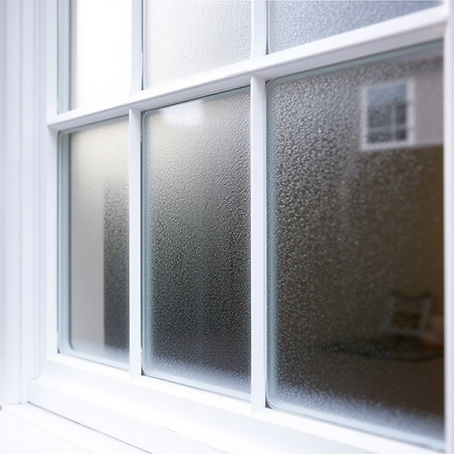
That tell-tale trickle of water down your single-glazed windows is more than just an annoyance—it's a sign of a moisture problem that can lead to mold and rot. Condensation happens when warm, humid indoor air meets a cold surface, like your window glass, causing the moisture to condense back into liquid water.
The solution? A two-pronged attack: reduce indoor humidity and increase the window's temperature. Here’s your complete checklist for a drier, healthier home.
💧 Phase 1: Starve the Problem (Lowering Humidity)
This is about managing the water vapor you create every day.
• Ventilate, Ventilate, Ventilate: This is your most powerful tool.
• Air Exchange: Open a window fully for 10 to 15 minutes once or twice a day. This replaces saturated indoor air with drier outdoor air, often referred to as "airing out."
• Targeted Use: Always run extractor fans when cooking or showering, and leave them on for about 20 minutes afterward. This sucks out the majority of steam before it can spread.
• Trickle Vents: If you have them, make sure they are open all the time to allow continuous, slow airflow.
• Contain the Steam:
• Keep Lids On: Use pot lids when cooking to contain steam.
• Close the Door: Close the bathroom and kitchen doors while they're in use to stop moisture from drifting into cooler bedrooms or living areas.
• Rethink Laundry: Never dry clothes on radiators or indoor drying racks unless it's in a well-ventilated room or you're using a vented or condensing tumble dryer. Damp clothes release huge amounts of moisture.
• Invest in a Dehumidifier: For persistent problems, an electric dehumidifier is a game-changer. It actively pulls excess moisture from the air, often collecting several liters of water daily, drastically lowering the room's humidity level.
🌡️ Phase 2: Warm Up the Glass (Insulation and Circulation)
By making the window surface less cold, you prevent the air from cooling down enough to form condensation.
• Circulate the Warmth:
• Open Curtains and Blinds: Keep curtains and blinds open during the day. If you keep them closed, they trap a pocket of cold, moist air right against the glass, making condensation much worse.
• Consistent Heat: Maintain a stable, low background temperature in your home. Letting the house get freezing cold and then turning the heat up high is less effective than maintaining a gentler, steady warmth that keeps surfaces warmer.
• Free Air Flow: Ensure radiators, especially those under windows, aren't blocked by furniture or long curtains. The warm air needs to rise and wash over the glass.
• The DIY Insulating Film Fix: For a temporary, budget-friendly solution, try insulating plastic film kits. The film is taped to the frame, and a hairdryer is used to shrink it tight, creating a thin, clear, insulating air layer—a simple form of secondary glazing.
🔨 The Long-Term Fix
If you've tried all the tips above and are still fighting condensation, it might be time for a permanent upgrade:
• Replacement Double Glazing: This is the ultimate solution. Modern, energy-efficient double-glazed units create a powerful thermal barrier, making condensation a rare occurrence.
By managing the moisture in your air and insulating your windows, you'll not only banish those soggy sills but also enjoy a warmer, drier, and more energy-efficient home!


